
District Spotlights
Meet Tosha Hoefert
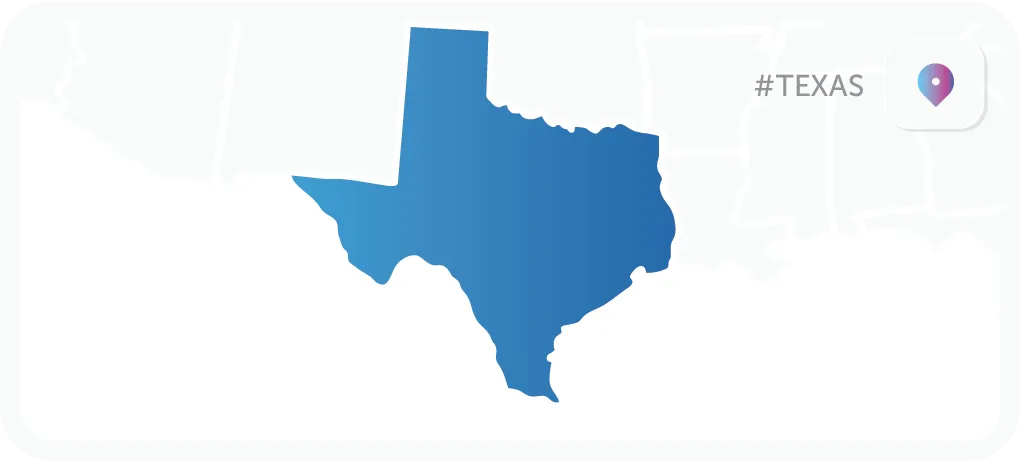
Tosha Hoefert is the K-12 Science Coordinator for Little Elm ISD in Texas. She leads a districtwide science vision focused on daily instruction, strong STEM opportunities, and consistent, phenomena-based learning experiences for students
Back to Resources
Why Penda was selected:
“Science is a priority in Little Elm ISD. It is part of our district goals, our daily instruction, and the way we think about preparing students for the future. Penda helps us achieve our goals.”


Common Science Challenges Penda Solves for Tosha Hoefert:
Little Elm was looking for a science solution that matched the district's focus on engaging, standards-aligned instruction while still giving teachers practical support. Penda stood out because it was built specifically for science, uses 3D phenomena-based learning, and keeps students motivated through a gamified experience. For Tosha, it also offered something especially important: a way to maintain instructional consistency across classrooms, even during staffing changes, while giving administrators and teachers clear data they can use to guide support.
Meeting science goals consistently across campuses
As a district leader, Tosha looks for TEKS specific science instruction that is consistent across classrooms and grade levels. Penda helps provide a more consistent experience with high quality instructional materials, even when campuses are navigating vacancies, new teachers, or long-term substitutes. “Penda is like a co-teacher, even for our newest teachers, making sure they are teaching the standards to the full complexity of the 3-dimensions of the TEKS.”
Keeping students engaged in science learning
Teachers and students like the gamification elements of Penda. Tosha shared that students rated Penda highly because it makes science feel interactive, approachable, and fun. “Penda is rigorous, which is what I love about it, it is what we need for students to do, so it is important that the gamification keeps them motivated to do the hard part of science.”
Identifying student intervention needs with usable data
“Penda reporting gives teachers, coordinators, and administrators clearer insight into performance trends and where students may need added support, especially when paired with NWEA MAP growth data and campus intervention planning.”
Saving time while strengthening implementation
Automatic grading, built-in reports, and ready-to-use science content help reduce teachers’ workloads while still giving educators meaningful information to make instructional decisions. “What stood out about Penda was that it is built for science. The gamified experience helps students stay engaged while still giving teachers meaningful academic support.”
Supporting differentiated instruction and STAAR test prep
Little Elm uses the NWEA MAP quadrant chart to determine support levels. Penda can reinforce Tier 1, 2, or 3 instruction, support intervention planning, and give students additional opportunities to practice, provide enrichment to those that need it and revisit concepts. “Penda allows us to set goals and make the learning personalized.”
Combating Time Restraints
Time is always an issue and subjects can get compressed at times. “Penda allows us to get creative to fit in science time. We can do a school-wide intervention time, or after-school assignments, or make it an early finishers enrichment activity. It allows a double-dip so students can experience a standard in another way.”

Penda’s Impact
“As a NISE STEM certified district, Little Elm is working intentionally to grow STEM through partnerships, events, and opportunities that help students see what is possible for their future.”
Read the Next Story
Penda at Southwest Arkansas Education Cooperative
Discover how educators at Southwest Arkansas Education Cooperative use Penda Learning to make science more engaging and help students build confidence in the classroom.
Learn more — Southwest Arkansas Education Cooperative